Blog
 IFTIKHAR UL HAQ
September 5, 2026
6 min read
The Nerve Is Still There. We Just Stopped Feeling.
 IFTIKHAR UL HAQ
September 5, 2026
6 min read IFTIKHAR UL HAQ
September 5, 2026
6 min read
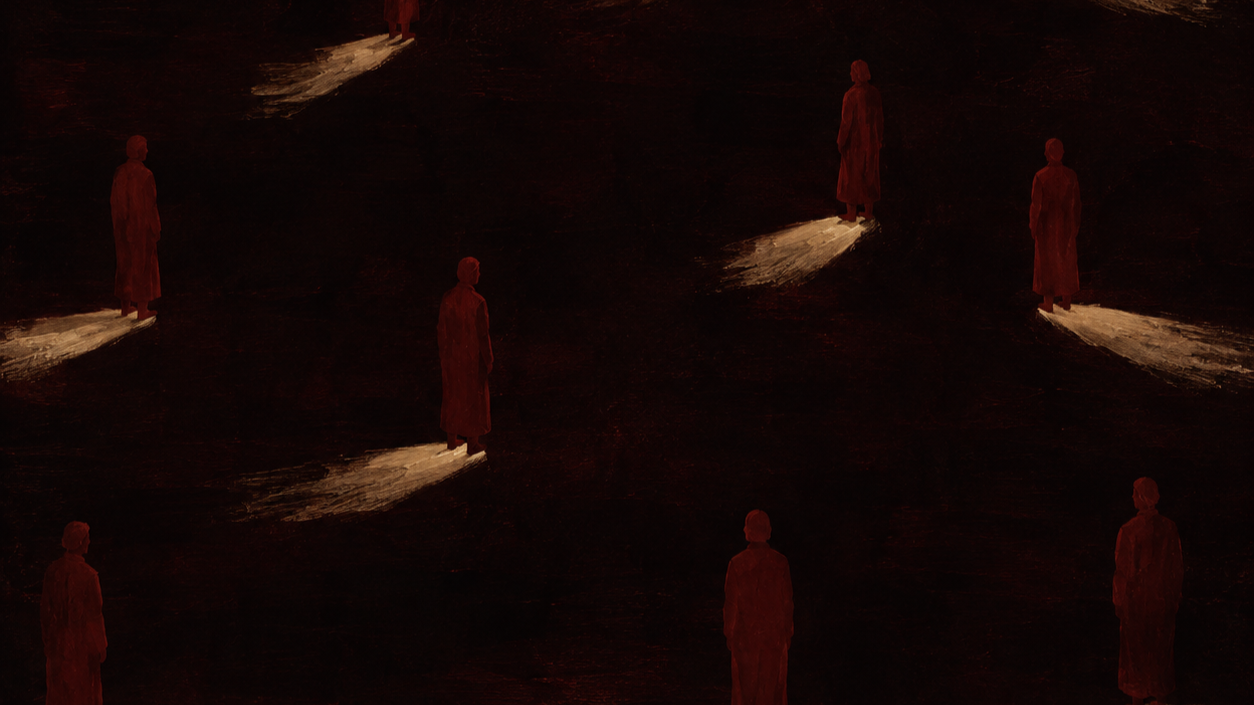
There’s a man who prays next to you every Friday.
You recognise his shoes. You know which row he takes. You’ve stood shoulder to shoulder with him feet touching, elbow to elbow in one of the most intimate acts of collective worship that exists.
You don’t know his name.
And somehow, neither of you finds that strange anymore.
“The believers, in their mutual love, mercy, and compassion, are like one body when one part of it suffers, the rest of the body responds with fever and sleeplessness.”
— Prophet Muhammad ﷺ (Bukhari & Muslim)
I learned this hadith as a student. I memorised it. I quoted it. I believed it was a description of the Ummah a testament to what Islamic brotherhood looks like at its peak.
It took years before I understood what it was actually telling me.
It’s not a description. It’s a diagnosis.
And by that standard we are a very sick body.
We know suffering is happening. We just don't feel it.Somewhere in your city right now, a Muslim sister is going through a divorce alone. A brother lost his job three months ago and hasn’t told anyone. An elderly uncle sits in a flat nobody has visited in weeks. A young man is sliding toward something dark and has no one to call at 2am.
You probably don’t know any of this. Not because you’re cruel. Not because you don’t care.
But because the nerve the one the hadith describes is disconnected.
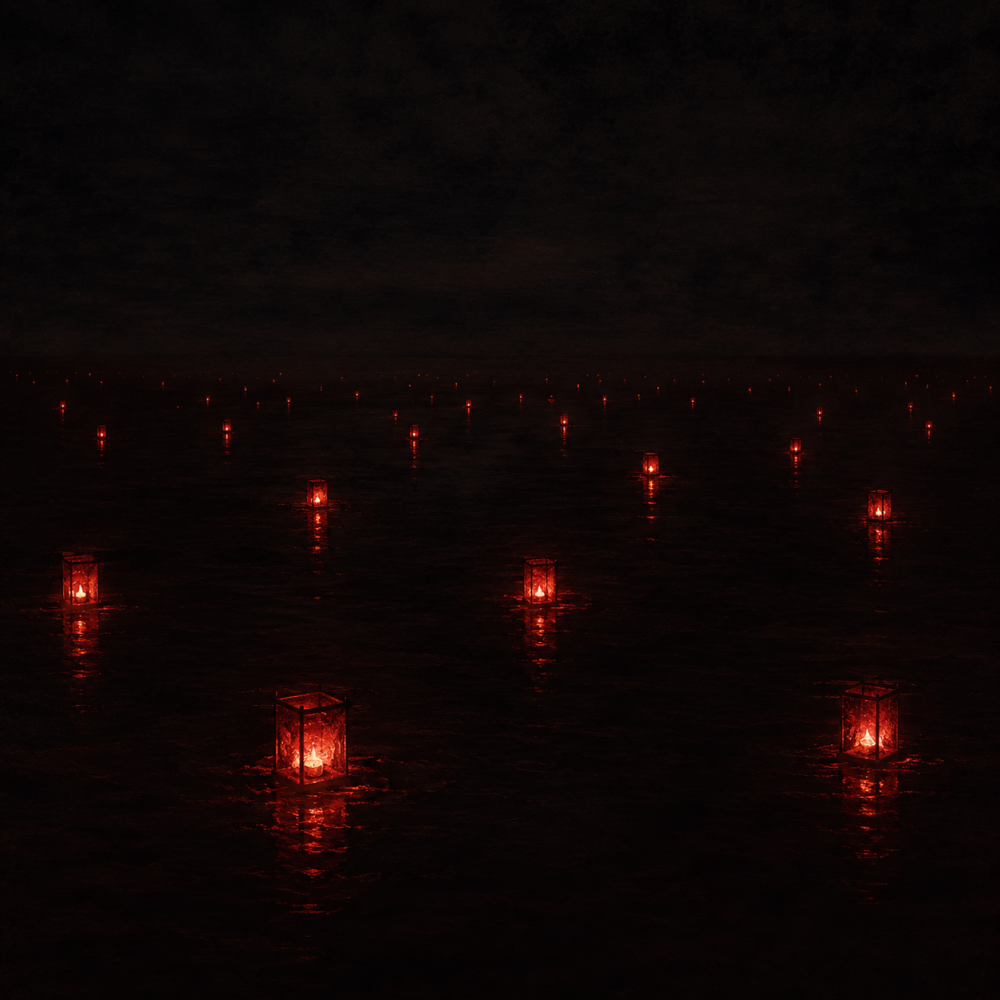
A body can't run a fever for a limb it can no longer feel. The nerve isn't damaged. It's just not connected to anything anymore.Think about what a fever actually is. It’s not a malfunction. It’s the body’s entire system mobilising heat, energy, resources all redirected toward the part under threat. It’s total, automatic, and immediate. The rest of the body doesn’t take a vote. It doesn’t ask whether it’s convenient. It responds.
That is what the hadith is calling us to. Not charity drives. Not awareness posts. Automatic response. The kind that only comes from genuine, embedded, known-to-each-other connection.
And we have largely lost it.
How did the body become numb?It didn’t happen suddenly. Nobody decided one day to disconnect. It happened the way most losses happen gradually, quietly, through a thousand small substitutions that each seemed reasonable at the time.
We substituted presence for content. We started watching lectures instead of sitting in circles. We replaced weekly gatherings with WhatsApp groups. We traded community centres for comment sections. We moved to better postcodes. We got busy. We got private. We got comfortable.
And with each substitution, the connective tissue weakened.
If something terrible happened to you today not a public crisis, but a private one how many people from your Masjid would know within 48 hours? Not because you posted about it. But because they were close enough to notice?For most of us, the honest answer is uncomfortable.
We have Islamic knowledge without Islamic community. We have ummah rhetoric without ummah infrastructure. We share posts about suffering in Gaza, in Kashmir, in the broken homes down the street and we feel things, genuinely but the feelings don’t convert into the kind of embedded, structural care that the hadith describes. Because care without connection is just emotion. And emotion without proximity has nowhere to land.
The nerve isn’t dead. It’s just dormant.
Here’s what I don’t want this newsletter to be.
I don’t want it to be guilt with nowhere to go. A beautiful diagnosis with no prescription. An emotional read that makes you feel something for seven minutes before the next notification arrives.
Because here’s the thing I keep coming back to:
The capacity for this kind of community still exists in us. It’s not gone. It’s waiting to be re-invited.
I’ve seen it. You’ve probably seen it too in moments when the structure accidentally returned. When someone’s parent died and suddenly a community appeared that nobody knew still existed. When a fundraiser went up and the response was immediate and overwhelming. When a crisis stripped away the social distance we maintain between ourselves, and people who hadn’t spoken in years found themselves sitting together in a living room, shoulder to shoulder, just being present.
The body can still run a fever. It hasn’t forgotten how. It just needs a functioning nerve to tell it where the pain is.
That is what we’re here to rebuild.
What reconnection actually looks likeIt doesn’t start with a program. It doesn’t start with a fundraiser or a conference or a 12-step community-building framework.
It starts with a name.
The man whose shoes you recognise every Friday learn his name this week. That’s it. Not a life mission. Not a community overhaul. One name. One conversation. One thread of connection that didn’t exist before.
Because here’s what I’ve come to understand about community: it’s not built in grand gestures. It’s built in accumulated smallness. In staying after salah instead of rushing out. In asking how someone’s actually doing instead of assuming fine. In noticing when someone who’s usually there isn’t there.
The Masjid I grew up in didn’t have a community strategy. It had men who lingered. And that lingering was everything.
The one-body practice
This week: Learn one name you should already know. Not online. In person. And then next week, learn another. That's how a body reconnects one nerve at a time.Before you close this tab sit with this.
This newsletter exists because the hadith deserves more than admiration. It deserves action. Each issue, we’ll explore one dimension of what real community looks like and what it costs us when it’s gone.
→ Who is one person in your community you should know better but don’t?
→ When did you last experience the kind of community this hadith describes?
→ What would it take concretely to rebuild even one nerve in your community this month?
Reply to this issue. Share it with someone whose answer you’d want to hear. And come back next week because this is only the beginning of the conversation.

Not what we posted. Not what we felt. What we actually did and what honest brotherhood demands of us still. As of…
On the lost practice that once held us together There is a concept in psychology so fundamental that researchers have spent decades…
On the ancient cure for the modern loneliness epidemic sitting right in front of us, five times a day. There is a…